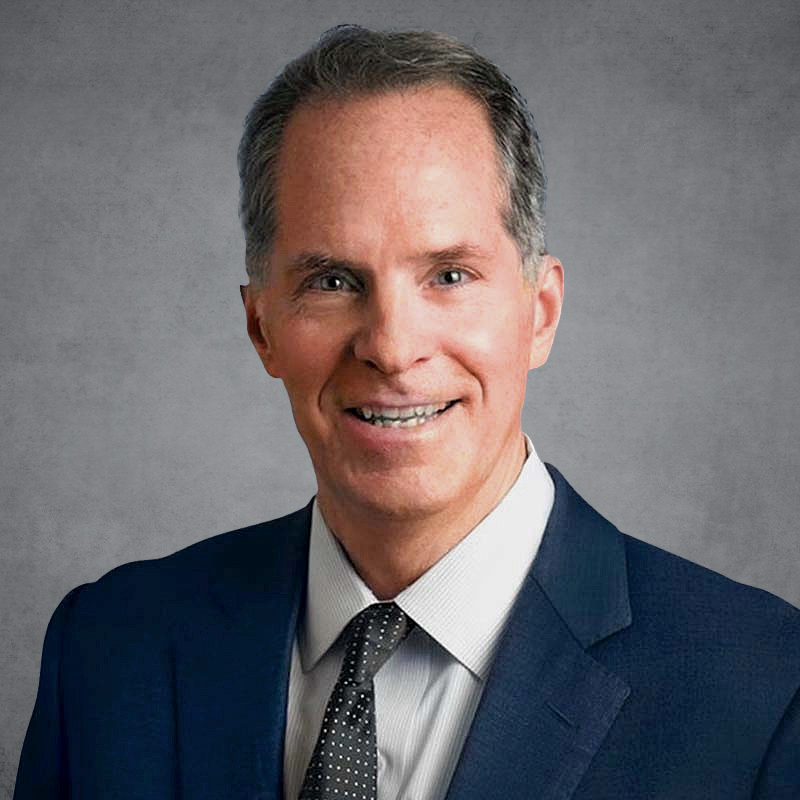

Carl Lewis was 18 years old when he started thinking about money differently than most athletes in his sport thought about it. Track and field operated as an amateur enterprise, even as stadiums filled with 60,000 people and revenue flowed to everyone except the athletes competing. He watched women’s tennis tournaments on television and noticed that players got paid, that their parents sat in the stands and got announced, that professional sports created financial opportunity for the people performing.
He had been listening to his father talk about Bill Russell, reading about Billie Jean King and Curt Flood, asking questions that seemed obvious to him but counter to how the sport had always operated. Why did professional sports work one way while track and field worked another? If stadiums were full and people were paying to watch, why couldn’t athletes participate in that success?
The thinking culminated in a conversation with his college track and field coach, Tom Tellez, where Lewis was very direct about his ambitions.
“I want to be a millionaire. I want to be successful. All these people are here. Someone’s making money somewhere. I don’t want to just be the best athlete in the world. I also want to be successful.”
Tellez took a pause, then responded with five words one sentence that captured how much work stood between that ambition and reality.
“We have a lot of work to do.”
The statement reflected something fundamental about how Lewis approached athletics from the beginning. Winning races mattered, but winning races was only part of what he was building. What followed over the next decade would bring ten Olympic medals, undefeated status in the long jump for an entire decade, and a fight to transform how track and field athletes could participate in the commercial success of their sport.
When Comfort and Clarity Conflict
The recruiting process created a situation where Lewis had to decide between what felt right and what he had been asking for. Every college wanted him, and the typical recruiting experience involved phone calls about facilities, uniforms, team culture, the experience of being on campus. Tom Tellez at the University of Houston approached the conversation differently, talking about biomechanics and the process of breaking Bob Beamon’s world record in the long jump rather than the typical recruiting pitch about campus life and team success.
“My goal was to break Bob Beamon’s record,” Lewis said. “After the 25.9, I was like I want to be Olympic champion and break Bob Beamon’s record. So, what Tom did differently was he started talking about concepts. And when I’d ask him about breaking that record, he didn’t talk about the process of college. He talked about the process of breaking the record.”
Lewis had never heard anyone discuss athletics this way, even from his parents who were youth coaches and understood the sport well enough to develop successful athletes. The conversation revealed something he had been asking for without realizing it, and when he left Houston and got on a plane to Puerto Rico, he found himself wrestling with a problem that had nothing to do with athletics and everything to do with self-awareness.
“I didn’t like Houston. I didn’t really like the school that much, to be honest,” he said. “But on the other shoulder it was just like but that’s what you’ve been asking for. So, it was like, you don’t like the space, but that’s what you’ve been asking for.”
The decision required recognizing that he had been asking for one thing while thinking about something else entirely. He kept putting the decision off, uncomfortable with choosing a place that didn’t feel right even though it offered exactly what he said he wanted. The resolution came when he stopped trying to reconcile the contradiction and simply acknowledged it.
“I had to decide, no, but this is what you wanted, so go do that.”
For many facing decisions where what they’ve been asking for conflicts with what feels comfortable, the challenge is recognizing when the discomfort signals that you’re about to get exactly what you said you wanted, just not packaged the way you imagined it would be.
Winning Before the Race Starts
Lewis believed that a significant part of sports involved intimidation, and while some athletes demonstrated it publicly through gestures or trash talk, he preferred a more calculated approach that worked on multiple levels simultaneously.
He would deliberately walk up to competitors before races and shake their hands, getting close enough that the height difference became impossible to ignore, wishing them good luck with his mouth while communicating something entirely different with his eyes. He made sure to be the last one to settle into the blocks, forcing opponents to wait just long enough that nerves had more time to build. He researched every competitor’s fastest time in advance so he could run faster than their personal best early in the competition, ideally in the first or second round rather than waiting for the final.
“I wanted to make sure that I ran faster than them before they got a chance to run fast,” he said. “So if we had three rounds, I’d run fast in the first or second round. And it’s like, it’s over. It’s over. I can’t beat him tomorrow.”
The strategy became visible in 1984 when Roy Martin, a high school runner, ran the first round of the 200 meters in 20.2 seconds and the entire stadium started buzzing about his performance. Lewis ran 20.8 to advance, unremarkable by his standards. In the second round, Martin broke the high school record and the attention remained focused on the younger athlete’s unexpected success.
Lewis ran 19.8 in the second round.
“And then everyone’s like, whoops, attention’s right back over here,” he said.
“I was big on intimidation. But I did it through competition.”
This reminds us that advantage often gets created before the moment of direct competition arrives, through strategic decisions about when to demonstrate capability and how to occupy space in opponents’ minds well before the actual competition begins.
When Being Right Means Standing Alone
Track and field had always operated as an amateur sport, and by the time Lewis started having success in the early 1980s, that identity was embedded in how the federation, the coaches, and the athletes themselves understood the enterprise. Athletes received money under the table, payments structured to maintain the appearance of amateur status while acknowledging that elite performance required financial support. The system worked for everyone who benefited from keeping the structure intact.
Lewis started asking why track and field couldn’t operate like professional tennis or the NFL, sports where athletes got paid openly and parents sat in the stands getting recognized for their role in developing talent. The question seemed obvious to him after watching those sports on television and recognizing that stadiums filled with paying customers regardless of whether the sport called itself amateur or professional.
“I said why can’t we be like them?” he said. “And that’s where it came from.”
The resistance came from every direction simultaneously. The federation saw the push toward professionalization as threatening to their control over the sport. Older athletes who had been competing since the early 1970s looked at a 19-year-old world record holder who wouldn’t stop talking about money and recognized their window was closing, that they would struggle to beat him, and that he was challenging the system that had allowed them to compete while receiving payments quietly.
“Every direction we went, once I started becoming really successful, the door was closed,” he said. “And it’s like, this has to stop.”
Even younger athletes didn’t understand what he was advocating for because they had grown up in the amateur system and accepted it as the only way the sport could function. Lewis found himself isolated, fighting for changes that seemed obvious to him but threatening to everyone else. Being right about the direction the sport needed to go provided no protection from the resistance that came with leading that change.
The Cost of Being First
The transformation happened almost overnight. Lewis had been the boy next door, part of a family the track and field community knew and respected. Then he started talking publicly about making money from athletics, and everything changed.
“I was the boy next door for a long time,” he said. “We were the family next door for a long time. And then when I started talking about making money and it became public that this was happening, then it became extremely scary.”
The backlash intensified precisely because of how young he was when the success arrived. Most athletes who reach elite status do so in their mid to late twenties, after years of development and maturity that prepare them for public scrutiny. Lewis compressed that timeline dramatically.
“At 17, I was number one in the country. At 18, I was an Olympian. At 19, I set my world record. At 20, I made six figures. And I was still 17, 18, 19, and 20.”
He was processing the magnitude of what was happening while simultaneously becoming the focal point for resistance to change he hadn’t fully anticipated. The criticism felt personal because he couldn’t identify what he had done differently to trigger such strong reactions. He was performing at an elite level and being successful, both of which the sport claimed to value.
For years, he struggled to understand why the response was so visceral. The answer only became clear with distance.
“It took me years, a few years later, to start realizing what was really going on. It wasn’t about me. It was about the overall change in the sport.”
Being first to push for structural change meant becoming the target for everyone who resisted that change, regardless of whether the resistance had anything to do with him as a person or his performance.
What Lies Ahead
Lewis approached athletics as a business from age 18, understanding that greatness required more than physical dominance. It required choosing what you asked for over what felt comfortable, winning races before they started through strategic intimidation, standing alone when being right meant fighting an entire establishment, and attempting what seemed impossible before experience taught caution.
The fight to professionalize track and field succeeded temporarily, creating opportunities for athletes to earn money openly rather than through payments structured to maintain amateur appearances. The sport has since regressed financially, moving backward toward the system Lewis spent years trying to change. He acknowledges the frustration of watching that regression after absorbing years of criticism for advocating changes that seemed obvious to him.
“I go to track meets and I go around the world. I’m like, we did all that damn work, and it’s all screwed up now,” he said. “And so– and I took all that abuse.”
What remains is the full circle back to where it started, coaching at the University of Houston just as his parents coached at Willingboro Track Club, using the same script with a different cast. The business mindset that shaped his career now shapes how he develops athletes, and the strategic thinking that won races before they started gets applied to preparing the next generation.
“I’m still standing right here where my entire reason for you to know me was started, doing exactly what my parents did,” he said.