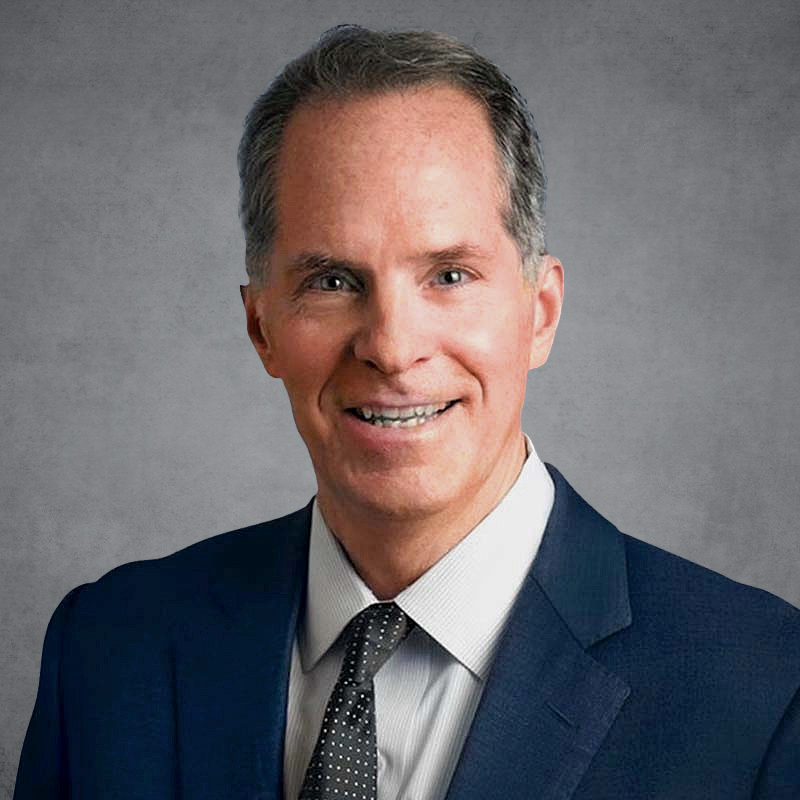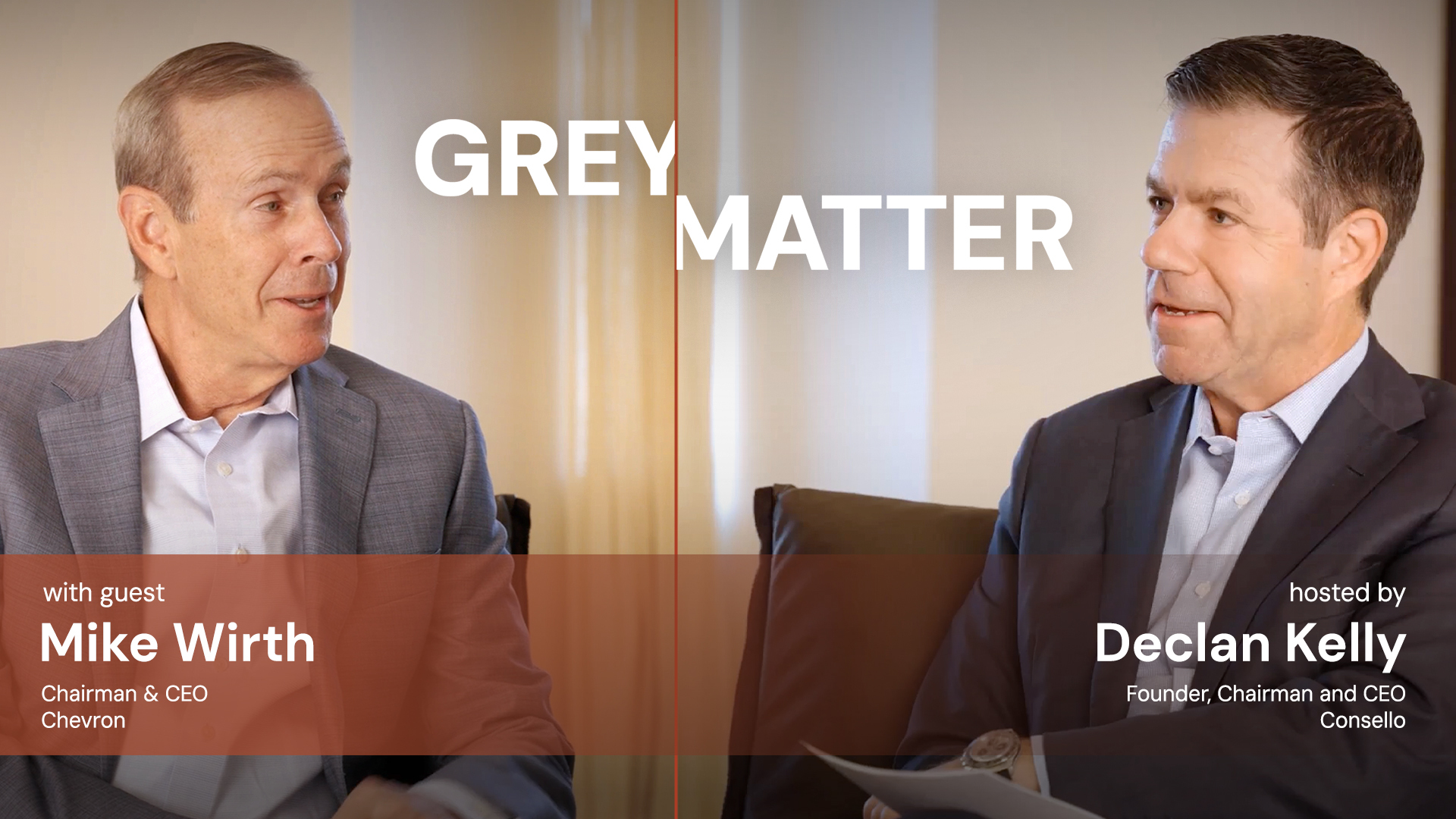
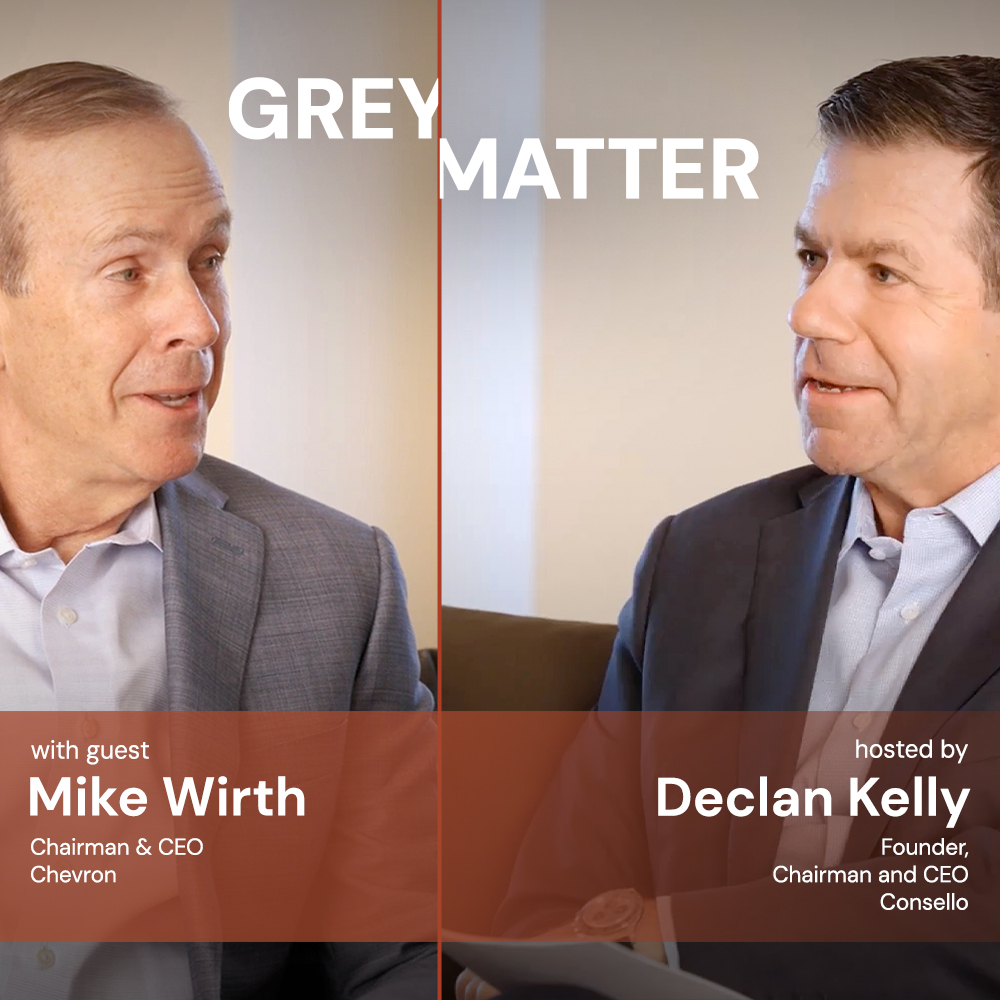
Mike Wirth has spent six years as Chevron’s Chairman and CEO making decisions where the path that would have satisfied conventional executive impulses conflicted with the path he believed served the company.
When Occidental Petroleum intervened on a signed acquisition with a higher bid, his leadership team advised him to counter, pointing out that Chevron had the resources and could outlast the competition in a bidding war. He walked away instead, recognizing that winning would have reinforced exactly the capital indiscipline he believed had eroded shareholder trust.
When Exxon challenged the Hess acquisition through an arbitration process that became the company’s dominant narrative for eighteen months, pressure mounted to find a settlement that would remove the uncertainty and allow everyone to move forward. He waited for the legal process to resolve what the contract said clearly, standing on a position he believed was right rather than negotiating it away to end the scrutiny.
When the administration criticized the industry publicly over fuel prices, the path of least resistance was to deflect responsibility toward market forces or stay silent and let the moment pass. He wrote a detailed response instead, putting Chevron’s position on the record despite the risk that came with engaging directly.
The pattern that emerged across these decisions reflected a consistent willingness to displace ego with pragmatic assessment of what the situation actually required. Wirth came to the role after 40 years at Chevron, where he had developed an approach shaped by environments that demanded discipline.
His tenure became defined by this capacity to choose what the company needed over what would have satisfied the impulses that typically drive executive behavior – —impulses to win publicly visible contests, to defend against external criticism, to position difficult decisions as visionary moves rather than practical necessities.
What followed were decisions that tested whether that capacity could hold under sustained pressure and whether it represented genuine operating philosophy or circumstantial restraint.
Conviction Under Prolonged Pressure
The position Wirth took on the Hess acquisition had been forming throughout his four decades at Chevron, much of it spent in an environment where contracts defined partnerships and ambiguity created risk that couldn’t be hedged. What happens when pressure to resolve uncertainty conflicts with standing on what a contract actually says became the central question.
“There really was this fundamental principle involved,” Wirth said. “More importantly, there was a very specific contract involved.”
When Exxon asserted rights to acquire Hess’s Guyana assets rather than let them transfer to Chevron as part of the corporate merger, the challenge became the company’s dominant narrative for eighteen months. The pressure to settle mounted continuously as investors wanted certainty and the organization wanted to move forward rather than remain focused on legal process. Every incentive pointed toward finding compromise that would remove the uncertainty, even if it meant validating a legal interpretation that would set a different precedent for how corporate mergers are handled.
Wirth’s decision to wait for arbitration rather than negotiate addressed a fundamental tension in how leaders respond when making a problem disappear conflicts with defending a position they believe is right. Settlement creates the appearance of pragmatic flexibility while standing firm risks prolonged scrutiny and the possibility that the position doesn’t hold.
The arbitration panel ruled for Chevron and the deal closed shortly after. What remained was a test of whether standing on contract clarity could matter more than ending the pressure to compromise when eighteen months of uncertainty weighed on every stakeholder.
The Cost of Proving You Can Win
When Occidental Petroleum made an unsolicited offer for Anadarko in April 2019, Chevron had already signed an agreement to acquire the company. The deal made strategic sense for Chevron, bringing attractive Permian Basin assets, deepwater Gulf of Mexico operations, and liquefied natural gas facilities. Occidental increased their bid when the initial intervention didn’t succeed, creating dynamics that typically lead to escalating counteroffers until one side reaches its limit.
Chevron’s leadership team understood the company had the resources to engage in a protracted bidding contest and believed they would ultimately prevail. The question became whether winning the acquisition mattered more than what winning would signal about the company’s commitment to capital discipline.
“Most of my leadership team when I kind of had the final meeting and asked for their advice, said, ‘Let’s do this. We can win,'” Wirth said. “And we could have. We could have won.”
Wirth’s decision to walk away rather than engage came just months into his tenure as CEO. He had been clear with employees and investors about his commitment to capital discipline, and winning a bidding war risked driving value out of the deal while reinforcing what he believed investors criticized most, that the industry would lose discipline and pay any price to acquire volume and growth.
“In my mind there was no choice,” he said.
Chevron walked away with the billion-dollar breakup fee while Occidental remained saddled with the debt it took on to close the deal. The lesson centers on what gets proven when you win. Sometimes demonstrating you have the resources to prevail matters less than demonstrating that discipline holds even when those resources are available.
The Limits People Impose
Wirth’s high school basketball coach was training for an Ironman triathlon when Wirth broke his thumb and couldn’t practice with the team. The coach told him they’d go for a run, and Wirth assumed it would be a jog around the track. Instead, they started running through town toward Lookout Mountain, which rises about 2,000 feet above Golden, Colorado.
At the base, Wirth asked where they were going. The coach said they were running to the top. Wirth asked again, thinking the answer couldn’t be serious. The coach repeated it.
“I had never run that far,” Wirth said. “I had never thought I could run that far or up a steady grade like that. But I was 16 years old, and this was my coach, I’m not going to say I can’t do this.”
They reached the top and Wirth assumed they would drive back down. Instead, they ran back down. “I learned if there’s one thing harder than running up a mountain, it’s running down a mountain,” he said. “But at the end of it all, I accomplished it. And something I never would have imagined I would have done.”
The reflection he drew from the experience centered on his coach’s perception rather than his own capability. The coach knew Wirth could do something Wirth didn’t know he could do, and that shaped how Wirth thinks about developing people decades later.
“I learned over time that the limits that most people are constrained by are the ones that they impose on themselves,” he said. “I try to see the things in them that they might not see in themselves and have the confidence in them and support them the way my coach did.”
When asked what his coach would say now, after 42 years at Chevron and six years leading it through the kind of decisions that defined his tenure, Wirth’s answer was immediate: “He’d probably say you could have gone up an even higher mountain.”
For leaders developing others, the distinction between accepting the limits people impose on themselves and pushing past those boundaries often determines whether capability remains latent or becomes realized.
Accountability That Runs Upward
Early in his career, Wirth ran what he describes as “several spectacularly unsuccessful projects,” and the experience that shaped him came from observing how his leaders handled accountability when outcomes didn’t match intentions.
“I had good role models,” Wirth said. “I remember working for people who held themselves so accountable that no one could ever have higher expectations of them than they had of themselves.”
When Wirth made mistakes or caused problems, those leaders took the heat for it. When he did something well, they shared the credit. “That gave me tremendous freedom to operate, tremendous confidence to lean into problems, and tremendous ownership of something that wasn’t going well because I had to fix it,” he said. “Because I didn’t want my boss to be the one that had to carry that.”
He also worked for leaders who operated differently, where everything they did turned out well and every problem belonged to someone who worked for them. “Oftentimes when I saw something, I said, ‘I want to be sure never to do that,’ that’s as important a lesson as the positive lesson,” he said.
During Wirth’s tenure, Chevron faced events that created opportunities to attribute problems to external forces. Wirth consistently chose to own the problem instead, focusing on what the company needed to change rather than external context that would have softened the responsibility.
When leadership takes accountability for outcomes whether or not the causes were fully controllable, the question becomes what needs to be fixed rather than whose fault it was, and that clarity changes how problems get addressed.
What Lies Ahead
The approach Wirth brought to Chevron formed across a career where discipline emerged from necessity. The downstream business enforced tight capital discipline because margins required it, and working for leaders who took accountability for his failures showed him what that approach creates in team performance.
The decisions that drew attention during his tenure revealed how he operates under pressure. Walking away from Anadarko, standing firm through the Hess arbitration, owning problems when external forces offered easier explanations all demonstrated the same pattern. The capacity to make those decisions came from accumulated experience where pragmatism consistently displaced ego, where seeing capability in others mattered more than demonstrating his own, where standing on clarity outweighed the pressure to compromise.
What Wirth demonstrated at Chevron was the willingness to choose what served the company over what would have satisfied the impulses that typically drive executive behavior. The impulse to win publicly visible contests, to avoid prolonged scrutiny, to position difficult choices as vision rather than necessity.
The pattern, sustained across decisions under sufficient pressure, revealed that choosing the path that serves over the path that satisfies could function as an operating system rather than an occasional discipline.