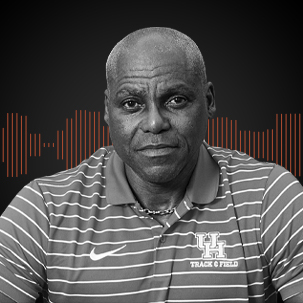
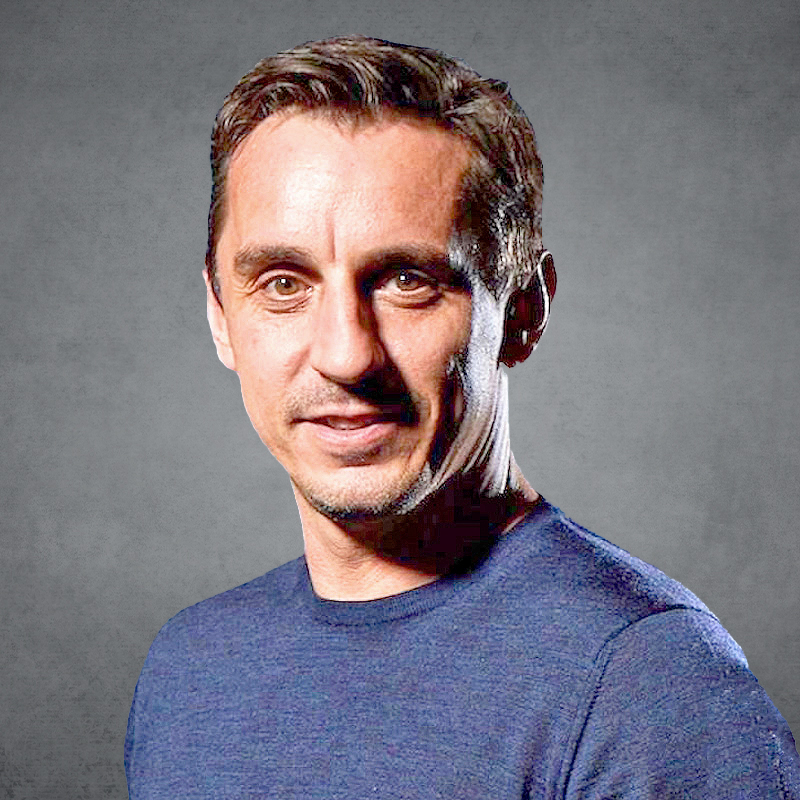
Carl Lewis is widely regarded as one of the most dominant athletes of the modern era. For more than a decade, he was the fastest man in the world, winning nine Olympic gold medals, going undefeated in the long jump for ten years, and becoming one of the most recognized athletes on the planet in a sport that typically operated outside the mainstream.
Over the course of his career, Lewis came to understand that dominating track and field had a dual effect. It gave him the platform to achieve fame and wealth while pushing for changes the sport resisted—advocating for athletes to be compensated when track and field still operated under amateur rules. But it also placed him under constant scrutiny, where anything less than perfection was viewed as failure and every position he took invited resistance.
In this episode of Grey Matter, Lewis sits down with Consello Founder, Chairman and CEO Declan Kelly to discuss what it means to occupy the top position in the world for an extended period, the responsibility and scrutiny that came with it, and how sustained dominance becomes a condition that shapes everything around it.
In this conversation, Carl discusses:
- How his parents taught him to track personal bests instead of placements and why that shaped his entire approach to competition
- The decision to follow Tom Tellez to the University of Houston and why choosing what he asked for over what felt comfortable defined his career
- Why he became one of the first advocates for professionalizing track and field and the resistance he faced from every direction
- The mental discipline and strategic intimidation required to remain undefeated in the long jump for an entire decade
- What the losses to Mike Powell and Joe DeLoach taught him that winning never could
- Why he returned to coaching at the University of Houston, doing exactly what his parents did before him