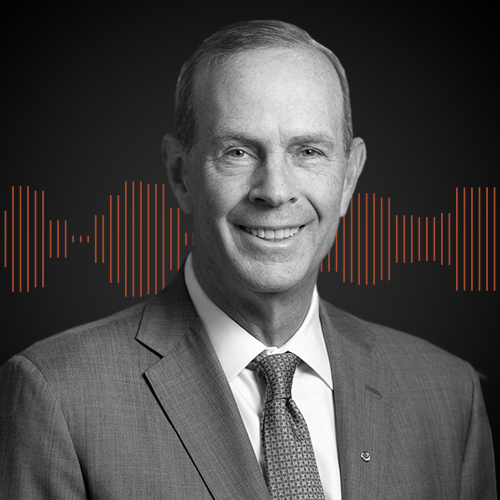
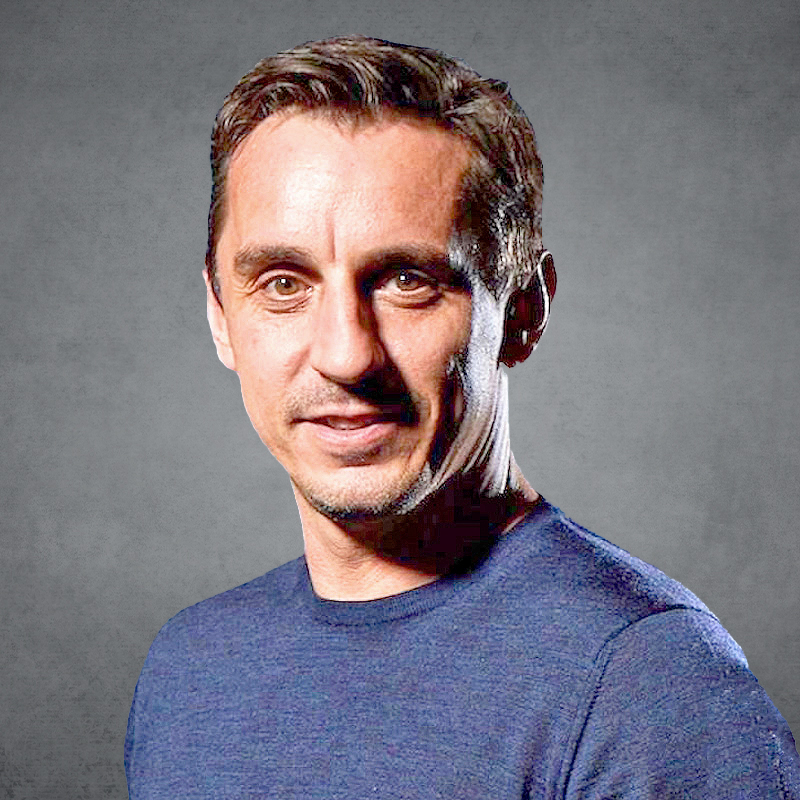
For more than four decades, Mike Wirth has built his career at Chevron, rising through an organization where major decisions are expected to stand up over long periods and where leadership judgment is assessed through enduring outcomes rather than immediacy.
When he became Chairman and CEO, the company was operating in an environment that placed a growing emphasis on capital discipline and on the durability of long-dated investment decisions. That context sharpened the importance of pragmatic judgment around expansion, particularly in moments when outside pressure made it easier to pursue scale than to step back.
In this episode of Grey Matter, Wirth sits down with Consello Founder, Chairman and CEO Declan Kelly to discuss institutional endurance and the role pragmatic discipline plays in long-cycle decision-making.
In this conversation, Mike discusses:
- The decision to walk away from the Anadarko acquisition, and how capital discipline shaped Chevron’s approach even as pressure intensified
- The Hess transaction, including the importance of contractual clarity and why maintaining established frameworks mattered more than speed in resolving uncertainty
- How pragmatic judgment guides decisions when public narratives and market momentum diverge from long-term institutional priorities
- Why leadership in long-horizon businesses requires comfort with near-term criticism in order to preserve credibility and coherence over time
- The formative experiences that shape how he thinks about individual limits and the difference between perceived capacity and actual capability